
Complete Beginner’s Guide to the OLSP Mega Link: How It Works & What to Expect
🔑 Key Takeaways
The OLSP Mega Link is a structural tool designed to reduce technical friction for beginners, not a shortcut to results.
It simplifies tracking, lead capture, and follow-up so you can focus on learning real marketing skills like messaging, content, and consistency.
The Mega Link works best after context and conversation — especially on relationship-driven platforms like Facebook.
It does not create traffic, trust, or motivation. Those come from how you show up, how you speak, and how consistently you help.
Most frustration comes from expecting the Mega Link to do emotional work (trust, persuasion, certainty) that only you can do.
The “One Link” Promise (And Why It Messes With Your Head)
When you’re brand new to affiliate marketing, everything feels like a moving target.
You’re learning new words. You’re trying to understand why one person says “build an email list” and another says “just post reels.” You’re watching people talk about funnels, tracking, pixels, autoresponders, landing pages, offers, follow-ups and it’s hard not to feel like you’re behind before you even start.
That’s why “one link” sounds like relief.
Not because you’re lazy. Not because you want a shortcut. But because your brain is already carrying too much. And when someone says, “Don’t worry this link does everything,” your nervous system hears, “Finally. Something stable.”
The problem is that most beginners misunderstand what “does everything” actually means.
So if you’ve been confused by the OLSP Mega Link, you’re not broken. You’re not “not cut out for this.” You’re just trying to interpret a tool while you’re still learning the language of the business.
This guide is meant to slow it all down.
I’m going to explain what the Mega Link is, what it does after someone clicks it, how to use it without turning into the person who drops links everywhere, and what realistic expectations look like if you’re building this as a beginner especially if you’re doing it after work, quietly, with limited time and energy.
Why the Mega Link Confuses Most Beginners
Most people don’t enter affiliate marketing with a clear head.
They enter with pressure.
Pressure to earn more. Pressure to make something work. Pressure to prove to themselves (or to someone else) that they can build something outside of a 9–5. And when you’re carrying pressure, you tend to grab the first “simple” thing you see and assign it too much meaning.
Links become symbolic.
If the link is clean and the system is automated, then maybe you don’t have to be confident yet. Maybe you don’t have to know what to say. Maybe you don’t have to show up daily. Maybe the system carries you.
That’s the emotional trap.
Then reality hits.
You share the link. Someone clicks. Nothing happens. Or they click and leave. Or they don’t respond. Or they ignore the follow-up emails. And suddenly you feel embarrassed, frustrated, and angry not because the link is bad, but because your expectations were quietly unrealistic.
A lot of beginners quit right here.
Not because they “failed,” but because the gap between expectation and reality feels personal.
The Mega Link was created to reduce technical friction. But it can’t reduce emotional friction. It can’t reduce the discomfort of learning communication. And that’s why it confuses people.
Once you separate those two things technical stability vs. human trust the Mega Link becomes easier to understand, and you can use it in a way that feels calm instead of desperate.
What the OLSP Mega Link Actually Is (In Plain English)
At its core, the OLSP Mega Link is a single affiliate link that acts as your central tracking and referral link inside the OLSP ecosystem.
Instead of juggling:
one link for an offer page
another link for an opt-in page
another link for tracking
another link for follow-up
…you have one consistent link that the system recognizes as yours.
When someone clicks it, OLSP knows:
- this visitor came from you
- where to send them inside the OLSP environment
- how to attach an opt-in (if they choose to opt in)
- how to start follow-up (if they choose to opt in)
That’s it.
It’s not magic.
It’s infrastructure.
Think of it like giving someone the correct doorway into a building.
The doorway doesn’t convince them to enter. The doorway doesn’t make them stay. The doorway doesn’t guarantee they’ll talk to anyone inside.
It simply prevents them from getting lost and it makes sure that if they do enter, they’re connected to the right person (you).
What Happens After Someone Clicks Your Mega Link
Here’s the step-by-step version, without hype.
Step 1: The click is recorded
When someone clicks your Mega Link, OLSP logs that click and associates it with your account.
This matters because tracking is one of the most fragile points for beginners. People often promote something for weeks and don’t know if anything is working because the tracking is messy.
The Mega Link reduces that mess.
Step 2: The visitor lands in the OLSP environment
They’re directed to an OLSP page designed to educate or guide them. The exact page can vary based on system updates and how OLSP routes traffic, but the principle is consistent: they’re inside the OLSP “container” now.
Step 3: The visitor makes their own choice
This is where expectations need to be mature.
Most visitors will do one of these things:
They skim and leave.
They click around a bit, then leave.
They read and decide to come back later.
They opt in.
All of those are normal. A click is not a commitment. A click is curiosity.
Step 4: If they opt in, follow-up begins
If they enter their email, OLSP captures the lead and begins follow-up emails.
This follow-up is meant to provide context. It’s not meant to bully them into buying.
And it does not mean you should disappear.
Follow-up systems are support. They are not substitutes for relationship.
The Mega Link’s Job vs. Your Job
To use the Mega Link properly, you need a clean division of responsibilities.
The Mega Link’s job
track the referral
route the visitor
capture the lead (if they opt in)
deliver follow-up emails
Your job
create context
create trust
communicate clearly
follow up like a human
show up consistently
If you swap these roles — if you expect the Mega Link to create trust and you expect yourself to only “post a link” — you’ll feel stuck. Not because you’re failing. Because the tool is being asked to do the wrong work.

Why “It Doesn’t Work” Usually Means “My Expectations Were Off”
When beginners say, “The Mega Link doesn’t work,” they usually mean one of these things:
People aren’t clicking.
People click, but don’t opt in.
People opt in, but don’t respond.
People respond, but don’t buy.
None of those are “the link not working.”
That’s the human side of marketing.
A tool can make the process smoother, but it can’t remove the reality that most people are distracted, cautious, and busy.
Here’s a grounded truth:
If you send cold traffic to a warm follow-up system, you’ll still get cold results.
Warmth is created before the click.
Using the Mega Link the Right Way on Facebook
Facebook isn’t a link platform. It’s a relationship platform.
People aren’t logging into Facebook hoping someone will drop an affiliate link on them.
They’re logging in to:
check on friends and family
be entertained
scroll without thinking
watch short videos
read drama they won’t admit they like
So if your entire strategy is “post link → hope,” you’ll feel ignored.
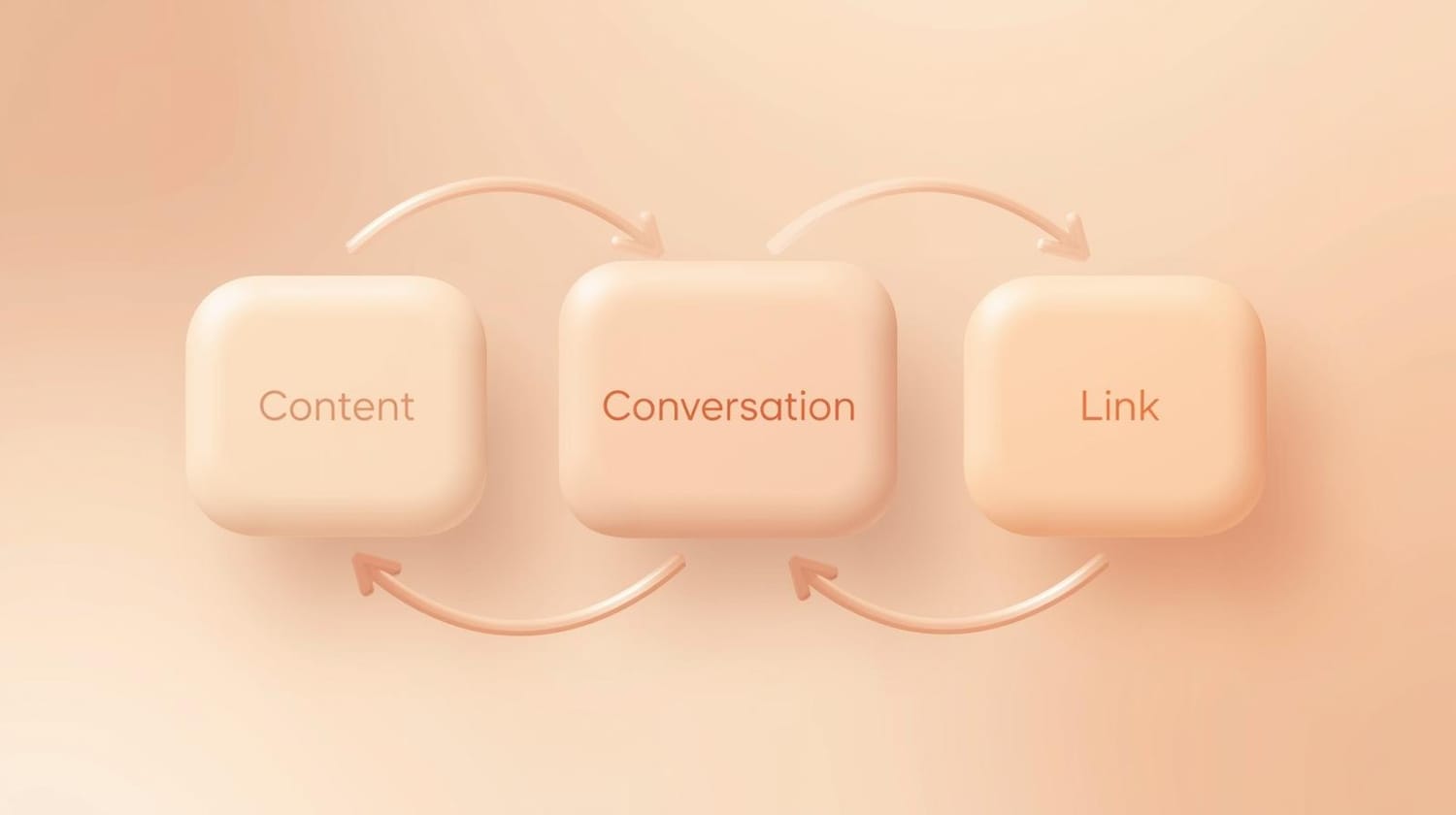
A better approach is simple:
earn attention with content
earn trust with conversation
offer a link as a next step
The content-first approach (quiet and sustainable)
If you’re introverted or you have limited energy after work, content-first works because it doesn’t require constant performance.
You can post something calm, useful, and real.
Examples:
a lesson you learned this week
a mistake you made as a beginner
a simple routine you’re building
a reflection about overwhelm
a “here’s what I’m focusing on” post
These posts don’t need to go viral. They need to attract the right kind of curiosity.
The conversation layer When someone comments, reacts, or messages you, that’s the opening.
You don’t need to pounce. You just need to respond like a person.
Example reply (comment):
“Appreciate you reading. I’m keeping it simple right now — mostly focusing on learning how to communicate better and stay consistent.”
Example DM (if they ask what you’re doing):
“Yeah — I’m building a small affiliate project on the side. Nothing crazy. Mostly learning the basics and setting up a clean system so I’m not constantly troubleshooting.”
Then, if they ask for details, that’s when a link makes sense.
The Mega Link becomes the doorway.
Not the opener.

A Simple “Facebook-First” Sequence That Actually Fits Real Life
Here’s a realistic sequence you can run without burning out.
Day 1: Post a calm story
Example:
“Quick honest update: I’m still a beginner at this affiliate thing. The biggest surprise wasn’t the learning — it was the mental noise. Too many tools, too many opinions. This week I’m focusing on one simple system and one daily habit.”
No link.
Just truth.
Day 2: Respond to engagement
If people comment, respond kindly. If they message, talk like a human.
Day 3: Share a micro-lesson
Example:
“One thing I misunderstood early: a ‘link’ doesn’t create trust. It just gives people a next step. The trust is built before the link ever gets shared.”
Still no link.
Day 4: Offer the link privately (only when asked)
If someone asks, you can say:
“Happy to share what I’m using. Here’s the link — and if anything feels confusing, tell me what part and I’ll help you make sense of it.”
That single sentence does two things:
you share the Mega Link without pressure
you invite conversation, which builds trust
What to Expect Emotionally (This Is Where Most People Get Stuck)
The technical side of affiliate marketing is frustrating, but it’s not usually what makes people quit.
What makes people quit is the emotional wobble.
The part where you try something and it doesn’t work immediately.
The part where you send a link and nobody responds.
The part where you worry you look silly.
The Mega Link can make your system cleaner, but it can’t protect you from that emotional learning curve.
So the real question isn’t “Does the Mega Link work?”
The real question is:
Can you stay consistent long enough to learn the human side of marketing?
Because that’s where the results come from.
Realistic Expectations: What the Mega Link Can and Can’t Do
Let’s make this simple.
What the Mega Link can do
Reduce technical overwhelm
Keep tracking consistent
Route your traffic correctly
Capture leads (when people choose to opt in)
Deliver follow-up emails reliably
What the Mega Link can’t do
create traffic
make people trust you
make strangers care
fix unclear messaging
replace your consistency
When you understand this, frustration drops.
Because you stop judging the tool for not doing a job it was never designed to do.
Misconceptions vs. Reality (Beginner-Friendly Clarity)
Misconception: “If I share my Mega Link, people will sign up.”
Reality: most people won’t. They don’t know you yet. They’re busy. They’re cautious.
Misconception: “The follow-up emails will sell for me.”
Reality: emails help, but most people need a human touch and time.
Misconception: “If I’m not getting opt-ins, the system is broken.”
Reality: opt-ins are a reflection of trust and clarity, not just infrastructure.
Misconception: “One link means I don’t need a strategy.”
Reality: one link just means fewer technical parts to manage. You still need a plan.

Common Beginner Mistakes With the Mega Link (And How to Fix Them)
Mistake 1: Dropping the link too early
Fix: lead with content and conversation. Share the link as a next step, not as an introduction.
Mistake 2: Treating clicks like commitment
Fix: remember the click is curiosity. Your job is to provide clarity, not demand a decision.
Mistake 3: Using automation to avoid discomfort
Fix: let automation support you, but don’t hide behind it. Follow up like a person.
Mistake 4: Not checking your own communication
Fix: ask yourself: is my message clear? Do people understand what I’m offering? Or am I vague because I’m afraid of being judged?
Mistake 5: Expecting fast validation
Fix: build a rhythm of actions you can keep doing even when no one claps.
How to Follow Up Without Feeling Pushy
If you’ve ever worried, “I don’t want to sound salesy,” you’re not alone.
Most beginners either:
don’t follow up at all
or follow up with pressure
There’s a middle path. It’s calm. It’s respectful. And it works because it treats people like people.
Here are a few follow-up messages you can use after someone clicks your Mega Link.
Follow-up #1 (same day)
“Hey — just checking you got the link okay. No rush at all. If anything feels confusing, tell me what part and I’ll help.”
Follow-up #2 (next day)
“Quick one: did you have a chance to look? If it’s not for you, totally fine. I just don’t want you stuck if the page was unclear.”
Follow-up #3 (2–3 days later)
“One thing that helped me as a beginner was keeping it simple: one link, one daily habit, and learning how to talk to people without pressure. If you want, I can share what I’m focusing on this week.”
Notice what these do:
they remove urgency
they invite questions
they keep dignity on both sides
This is how you build trust.
Beginner Timeline: How the Mega Link Supports You Over Time
Beginners often ask, “What should I be doing right now?”
Here’s a simple timeline that respects reality.
Weeks 1–2: Reduce overwhelm
Your job is not to become a marketer overnight.
Your job is to:
understand what you’re promoting
learn the basic flow (content → conversation → link)
get comfortable with small daily action
The Mega Link helps by reducing the technical decisions you’d otherwise have to make.
Weeks 3–4: Practice communication
You start posting more consistently.
You respond to people.
You learn how to explain what you’re doing in plain language.
The Mega Link helps by keeping the doorway stable so you can focus on words and relationships.
Months 2–3: Build rhythm
This is where most people quit — not because it’s impossible, but because it feels slow.
If you keep going, you begin to build trust in yourself.
The Mega Link helps by keeping follow-up consistent while you build confidence.
Beyond: Choose your path
Some people outgrow simple systems.
Others stay with simplicity because it works.
There’s no moral value in complexity.
There’s only what supports your consistency.
When the Mega Link Makes Sense — and When It Doesn’t
The Mega Link makes sense if you:
are new
want structure
want fewer moving parts
plan to build with organic traffic
want to focus on skill-building instead of tech-building
It may feel restrictive if you:
already run advanced funnels
need full customization
use paid traffic at scale
prefer controlling every stage of the journey
That doesn’t make the Mega Link bad.
It means it has a purpose.
It’s a beginner-friendly doorway.
Not a forever identity.
Tools vs. Skills: The Bigger Picture
Here’s the quiet truth most people don’t want to hear:
Tools don’t build businesses.
Skills do.
A tool can remove friction, but it can’t create:
clarity
consistency
confidence
communication ability
Those are earned.
And they’re earned through daily repetition.
This is why “one link” is helpful — not because it’s magical, but because it removes a few technical problems so you can spend more of your limited energy building skills.
That’s the trade.
Less tech stress.
More practice.
More skill.
How the Mega Link Fits Into the OLSP Learning Path
Within OLSP, the Mega Link isn’t the destination.
It’s part of the learning environment.
The real focus (if you want to actually grow) is on:
traffic basics
communication clarity
consistency over time
The Mega Link is there so these lessons aren’t derailed by broken tracking, messy links, or missing follow-up.
It supports learning.
It doesn’t replace it.
Final Thoughts
The OLSP Mega Link is intentionally simple.
It removes friction, reduces setup, and gives beginners room to practice without being overwhelmed.
In affiliate marketing, systems that are boring but stable often outperform systems that are impressive but fragile.
If you treat the Mega Link as what it is — infrastructure — it becomes a quiet support.
And if you pair it with what only you can do — consistency, clarity, conversation — it becomes a useful doorway for the right people.
The goal isn’t to find a link that “does everything.”
The goal is to build a routine you can keep.
Because daily actions compound.
And that’s the part no tool can replace.

❓ Frequently Asked Questions
Is the Mega Link mandatory to use OLSP?
No. It’s recommended for simplicity, not enforced. It’s there to reduce overwhelm, not to limit you.
Does the Mega Link replace funnels or email systems?
Not exactly. It reduces early complexity by handling routing, tracking, and follow-up within OLSP. Some people later move to custom funnels once they have stronger skills.
Can you outgrow the Mega Link?
Yes. Many people do. Outgrowing it simply means you’ve reached a stage where you want more control or customization.
Is the Mega Link beginner-friendly?
That’s the primary purpose. It’s designed to remove technical friction so beginners can focus on the actions that build real marketing ability.
Does the Mega Link work without traffic?
No. It supports traffic; it does not create it. Without consistent traffic and conversation, a link is just a link.
Why do some people struggle even with the Mega Link?
Usually it’s not the tool. It’s inconsistent action, unclear messaging, fear of follow-up, or expecting the system to do the human work.
Can I use the Mega Link outside Facebook?
Yes. You can share it anywhere it makes sense: blog posts, YouTube descriptions, bio links, comments (carefully), and email. The principle stays the same: context first, link second.
If you want a simple structure that supports this approach and helps organize your link, follow up, and daily actions without overwhelm, explore a beginner friendly system designed to support steady, organic growth rather than hype driven tactics then make sure to click the button below.



Let's get social


Created with © systeme.io