How to Get Leads From Facebook Without Paid Ads or Complicated Funnels
🔑 Key Takeaways
You don’t need paid ads or complex funnels to generate leads from Facebook
Your Facebook profile works best as a trust bridge, not a sales page
Simple positioning and consistent posting matter more than volume
One clear next step turns profile views into real leads
A calm daily routine beats hustle-driven strategies every time
Introduction
Many people begin using Facebook for lead generation by assuming effort alone will solve the problem. They believe that posting more frequently, sharing more links, or sounding more confident will eventually produce results.
This approach is common because it mirrors what is often seen in public feeds. Loud calls to action, income screenshots, and constant promotion create the impression that volume and visibility are the primary drivers of success.
In practice, this strategy rarely works for long. Posting frequently may create temporary engagement, but it does not automatically lead to conversations or inquiries. Likes and comments can feel encouraging, yet they often lead nowhere. Over time, this cycle creates frustration and exhaustion rather than progress. Facebook begins to feel noisy and unproductive instead of useful.
The shift happens when Facebook is no longer treated as a billboard. People do not log into Facebook to be sold to. They log in to observe, connect, and decide who they trust. When this behavior is understood, the role of Facebook becomes clearer. It is not a platform for persuasion but one for positioning and clarity.
This article explains how to generate leads from Facebook without paid ads or complicated funnels by using your profile intentionally, creating focused content, and providing a simple path for interested people. The process does not require advanced tools or constant activity. It relies on clarity, consistency, and patience.

Why Most People Struggle With Facebook Leads
The most common reason people struggle with Facebook leads is not lack of skill or motivation. It is misalignment between their approach and how the platform actually works. Much of the advice surrounding Facebook marketing is designed for high energy, high volume engagement styles. These strategies favor constant posting, frequent messaging, and aggressive follow up.
For people balancing work, family, or limited time, this approach is difficult to maintain. It often leads to burnout before any meaningful traction appears. When consistency breaks, progress stops entirely.
Another challenge is misunderstanding where lead generation actually occurs. Many beginners assume the post itself is the conversion point. In reality, posts create awareness. The decision to reach out happens later, usually after someone reviews a profile. When profiles lack clarity or direction, interest disappears quietly.
There is also pressure to use advanced tools too early. Paid ads, funnels, and automation can be helpful, but only after the fundamentals are understood. Introducing complexity before clarity divides attention and creates confusion.
Finally, unrealistic expectations cause many people to quit. Organic Facebook lead generation works gradually. Results are subtle at first and grow through repetition. Without patience, people assume the method is ineffective and move on prematurely.
How Facebook Actually Generates Leads
Facebook generates leads through observation rather than persuasion. Most users rarely interact publicly. They read, watch, and notice patterns over time. Even when a post resonates, the response is often silent. Instead of commenting, people click profiles and look for context.
This quiet behavior is important to understand. People evaluate tone, consistency, and clarity. They want to know who someone is, what they focus on, and whether they appear reliable. This evaluation happens without notification or feedback.
The profile becomes the decision point. A profile that feels scattered, overly promotional, or inconsistent creates hesitation. A profile that is clear, focused, and calm creates curiosity. Leads emerge when people feel comfortable initiating contact on their own terms.
Clarity is the foundation of this process. When people understand what you do and who you help, they can decide if further interaction makes sense. The absence of pressure allows trust to form naturally.
Positioning Your Facebook Profile With Intention
A Facebook profile does not need to appeal to everyone. It needs to communicate clearly to the people it is meant to serve. The goal is not to impress but to remove uncertainty.
The profile photo should be simple and approachable. A clear image with a visible face works better than stylized or distant photos. Professional equipment is unnecessary. Familiarity builds trust more effectively than polish.
The bio section should answer a basic question: who you help and how you help them. Direct language is more effective than clever phrasing. Clarity reduces hesitation and encourages understanding.
The featured section should provide one clear option. Multiple links or competing messages dilute attention. A single direction makes the decision easier for visitors.
Removing outdated content is also important. Old links, conflicting messages, or aggressive promotions weaken trust. Consistency across the profile reinforces credibility.
Creating Content That Builds Trust
Content on Facebook works best when it reflects real experience. It does not need to be comprehensive or advanced. Sharing lessons learned along the way is enough to build connection.
Personal insight posts help humanize the profile. These posts communicate perspective rather than expertise. They allow readers to relate without comparison.
Teaching posts are effective when focused on one idea at a time. Simple explanations are easier to absorb and more likely to be remembered. Overloading posts with information reduces clarity.
Relatable content acknowledges common challenges. When readers feel understood, they are more receptive to guidance. Trust grows through recognition rather than persuasion.
Posting consistently two or three times per week is sufficient. Quality and intention matter more than frequency. Regular presence signals reliability.
Why Engagement Alone Is Not Enough
Engagement on Facebook is often misunderstood. Likes, comments, and reactions are visible signals that a post has been noticed, but they are not indicators of intent. A person can like a post without any desire to learn more, take action, or continue the conversation. Engagement shows attention, not commitment.
One reason engagement can be misleading is that Facebook is designed for low-effort interaction. Clicking a like button or leaving a short comment requires very little thought. It is a way for people to acknowledge content without investing further energy. While this interaction can be encouraging, it does not automatically move someone closer to becoming a lead.
Another issue is that engagement does not guide people toward a next step. When a post ends without direction, the interaction often stops there. People scroll on, and the moment passes. Without a visible and logical continuation, interest fades even if the content was useful.
Many people assume that high engagement will eventually translate into messages or inquiries. In practice, this rarely happens on its own. Most users prefer clarity. They want to know what to do next if they are interested. When that path is missing or unclear, they choose not to act.
Engagement also varies widely depending on timing, audience behavior, and platform changes. A post with low engagement is not necessarily ineffective, and a post with high engagement is not necessarily productive. Relying on engagement alone creates inconsistency and confusion when results fluctuate.
The purpose of content is not to collect reactions but to create understanding. When content helps people recognize a problem, see a possible solution, and understand where to go next, it becomes useful beyond surface interaction. This is where lead generation begins.
A clear next step does not require aggressive promotion. It simply needs to be visible and easy to understand. When people know where to go for more information, they can act when they are ready. This removes pressure and respects the user’s pace.
In this context, engagement becomes supportive rather than central. It confirms that content is being seen, but the real progress happens when clarity leads to voluntary action. Leads are created through understanding and trust, not reactions alone.
A Calm Daily Facebook Routine
A sustainable Facebook routine does not require hours of activity. Focused effort produces better results than constant presence.
Begin by engaging intentionally. Commenting thoughtfully on relevant posts builds familiarity without promotion. This reinforces visibility naturally.
Posting should come from experience rather than obligation. Authentic contributions build trust over time. Forced content weakens credibility.
Responding to messages calmly allows conversations to develop organically. Rushing interactions creates pressure and discomfort.
Tracking actions instead of results maintains momentum. Showing up consistently is the primary input. Outcomes follow over time.
Mistakes That Slow Everything Down
One of the most common mistakes people make on Facebook is sending unsolicited direct messages. Reaching out to strangers with links, pitches, or scripted introductions often feels efficient, but it usually has the opposite effect. Most people did not ask to be contacted, and unsolicited messages immediately create resistance. Even when the message is polite, the lack of context weakens trust before a conversation can begin. Facebook works best when people choose to engage rather than being pushed into interaction.
Another mistake is relying too heavily on scripts. Scripts are often shared as shortcuts, but they rarely account for individual tone, personality, or context. When messages sound rehearsed or generic, people disengage quickly. Authentic language builds familiarity, while scripted language creates distance. Adapting communication to sound natural and human is more effective than following rigid templates.
Overposting is another issue that slows progress. Posting frequently without clear intent can dilute your message and exhaust your energy. When content is published simply to stay visible, quality often declines. Inconsistent quality makes it harder for people to understand what you stand for. Fewer posts with clear purpose create stronger signals than constant updates without direction.
Many people also change strategies too quickly. They post for a short period, see limited results, and assume the approach does not work. This leads to constant switching between methods, platforms, or messaging styles. Without giving one approach enough time to compound, progress resets repeatedly. Consistency over time is what allows trust and recognition to develop.
Another subtle mistake is focusing too much on metrics instead of behavior. Likes, comments, and follower counts can be useful indicators, but they do not always reflect meaningful progress. Paying attention only to numbers can create frustration and impatience. Tracking actions such as posting consistently, engaging thoughtfully, and maintaining clarity provides better long-term feedback.
Finally, impatience undermines many organic strategies. Facebook lead generation without ads is a gradual process. Early progress is often invisible. Expecting immediate results creates pressure and discouragement. Those who continue calmly through the early stages are more likely to experience steady growth later.
Organic success favors persistence rather than urgency.
Final Thoughts
Generating leads from Facebook does not require paid advertising, complex funnels, or constant promotion. What it requires is clarity, structure, and a sustainable approach that aligns with how people naturally use the platform. When your profile is positioned intentionally, your content is consistent, and your next step is clear, lead generation becomes a byproduct of visibility rather than pressure.
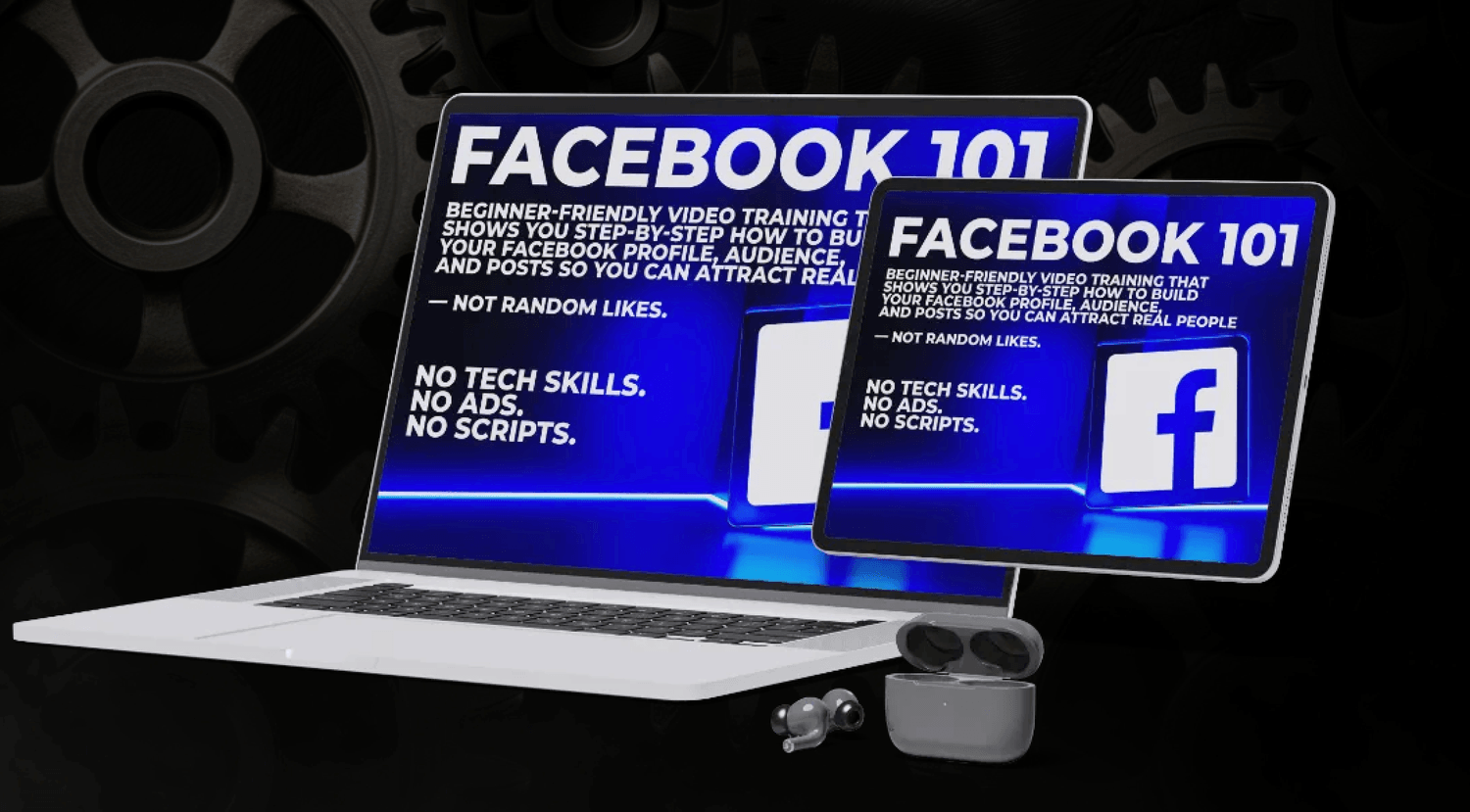
For those who want a more guided starting point, the Facebook 101 training available for a small entry cost provides a clear and practical plan. It focuses entirely on free methods of using Facebook, without relying on ads or advanced technical tools. The training is designed to help you understand how to position your profile, engage naturally, and build visibility in a way that supports long-term growth. Rather than overwhelming you with tactics, it offers structure and direction so you know what to focus on first.
Over the next few articles, this approach will be explored in more detail. Each piece will break down specific parts of the strategy, training, and ongoing support, so you can see how the system works as a whole. The goal is not to rush the process, but to build understanding step by step, allowing you to apply what makes sense at your own pace.
One of the most practical benefits of this method is that it allows you to be monetized for posting without actively promoting. Instead of constantly pitching or persuading, you focus on sharing useful, relevant content. As your visibility grows, opportunities for monetization are built into the process naturally. This creates space for higher quality content, stronger trust, and more meaningful connections.
Over time, this approach leads to higher quality leads. People reach out because they understand what you do and trust how you communicate, not because they were pushed through a funnel. By prioritizing clarity, consistency, and free methods, Facebook becomes a platform for steady lead generation rather than constant effort.
If you approach Facebook with patience and intention, the results tend to compound. Trust builds gradually, visibility increases, and leads follow without the need for pressure or promotion.
❓ Frequently Asked Questions
Can you really get leads from Facebook without ads?
Yes. Organic strategies remain effective when focused on clarity, consistency, and relationships rather than volume.
Do you need a funnel to start?
No. Many beginners perform better with a single simple link before introducing additional complexity.
How long does it take to see results?
Most people notice early traction within sixty to ninety days of consistent effort.
Is this realistic for beginners?
Yes. Beginners often succeed because they maintain simplicity and focus.
If you want a simple structure that supports this approach and helps organize your link, follow up, and daily actions without overwhelm, explore a beginner friendly system designed to support steady, organic growth rather than hype driven tactics then make sure to click the button below.



Let's get social


Created with © systeme.io