
Affiliate Marketing in 2025: What You Need to Know to Start Earning Today
What Affiliate Marketing Really Means in 2025?
Affiliate marketing might sound like an old concept, but it’s still one of the most straightforward ways to start making money online. The idea hasn’t changed: you promote someone else’s product, and when a sale happens because of your recommendation, you earn a commission. What has changed is everything else around that simple fact.
In 2025, affiliate marketing demands more thoughtfulness, more connection, and more skill. It’s no longer about slapping links onto a random blog post or flooding social media with generic posts. People have become immune to salesy pitches and empty promises. Instead, they want value and honesty. They want you to help them solve problems, not just sell to them.
The landscape shifted as more people started affiliate marketing and the internet became saturated with similar offers. Algorithms have gotten smarter at filtering out low-quality content, and consumers have become better at spotting sales tactics. So, if you want to succeed, you need to rethink your approach and focus on building genuine relationships with your audience.
Ask yourself: do you really understand who you’re talking to? What keeps them awake at night? What solutions are they actively searching for? Answering these questions shapes your whole strategy. If you skip this step, you’re essentially throwing darts blindfolded and hoping to hit a bullseye.
Take a moment and think about how you decide to buy online. Do you buy from someone you barely know, or do you trust recommendations from people who seem honest and knowledgeable? That trust is your greatest asset as an affiliate marketer.
Now, imagine you’re recommending a product. How do you do it without sounding like a salesperson? You share your experience with the product. You highlight its pros and cons. You explain why it helped you or someone you know. You show that you understand your audience’s needs and concerns. That approach is more powerful than any flashy ad.
This means affiliate marketing today is less about quick wins and more about a long game built on trust and useful content. The products you choose to promote and the way you present them must align with the problems your audience faces every day. Otherwise, they won’t engage, and you won’t make sales.
Affiliate marketing still offers a real chance to create income, but it requires you to be a connector, a problem solver, and a content creator. It’s about creating value first, then letting the commissions come as a natural result.
If you’re just starting, don’t rush to pick the “highest paying” affiliate program. Focus on programs that fit your niche and where you can genuinely add value. Over time, your understanding of your audience will grow, and so will your ability to pick the right products.
Keep this in mind: people buy from people they trust. In 2025, that truth is even more important because the internet is crowded with options. Your job is to be the one voice your audience trusts to guide them.
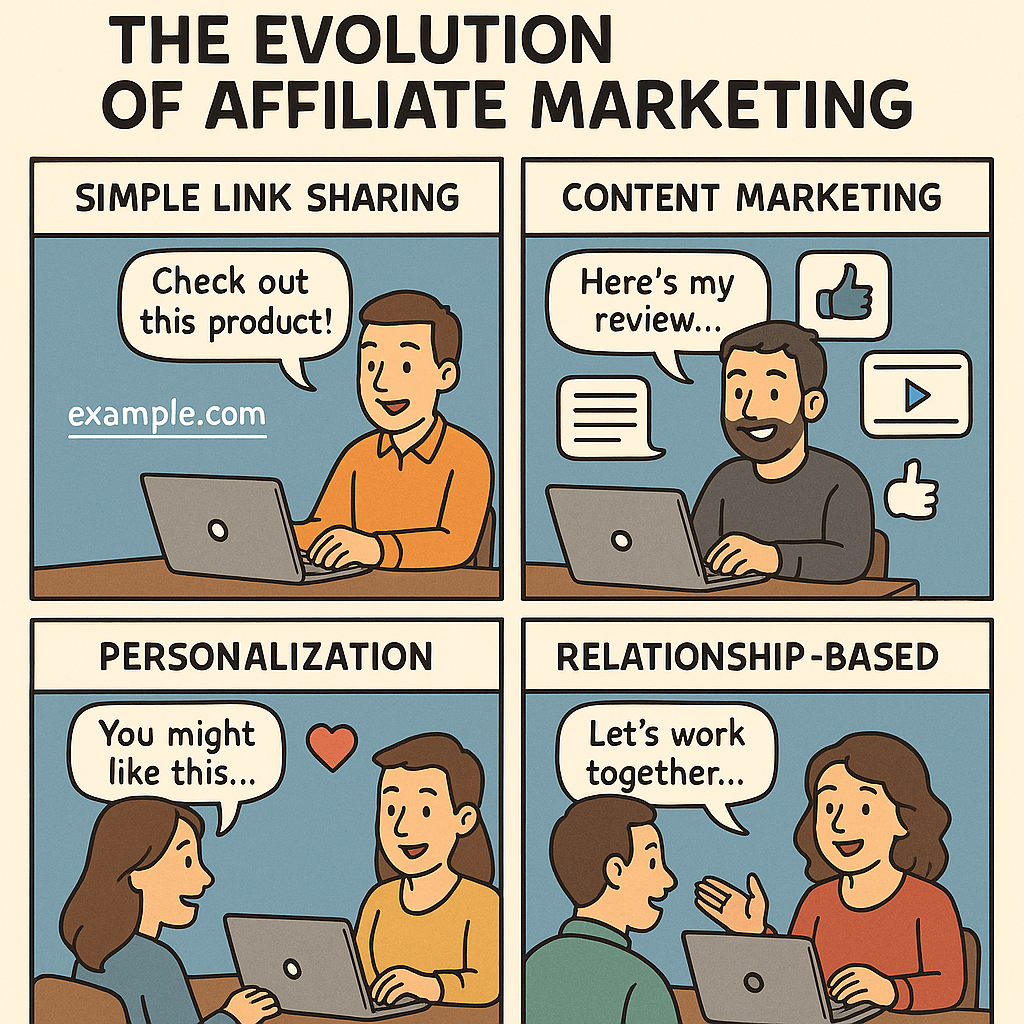
Why Trust and Relationship Building Matter More Than Ever
Trust is no longer just a bonus in affiliate marketing, it’s the foundation.
If you ignore trust, you might get a sale or two, but you won’t build a sustainable income or audience. The internet is full of people shouting to be heard, but most of those voices aren’t trusted. That means your chances improve dramatically if you focus on relationships, not quick commissions.
Building trust means showing up regularly, being honest about the products you promote, and admitting when something isn’t perfect. When you share your honest thoughts, including the downsides, you come across as real. Realness connects with people in a way polished sales pitches never can.
Think about your own experience. How often have you ignored pushy salespeople? How often have you trusted a friend’s recommendation because you knew they had your interests in mind? Your audience expects the same from you.
Relationships take time.
You need to listen to your audience and respond. What questions do they ask? What concerns come up? Answering these openly in your content or emails shows that you care. That care turns casual visitors into loyal followers.
An easy way to start is by telling stories from your own journey or sharing case studies from people you know. Stories make your message relatable and memorable.
For example, sharing how a particular affiliate product helped solve a problem you had makes your promotion feel less like a pitch and more like advice.
It’s tempting to rush into affiliate marketing and push as many products as possible. But a scattergun approach weakens trust. Pick fewer products and focus on communicating why those products matter for your specific audience.
The best affiliate marketers build their brand around trust and helpfulness. That’s how they grow an audience that listens and buys.
Are you ready to slow down, listen, and build trust that lasts? Your bank account will thank you later.
Choosing the Right Niche and Products for Real Results
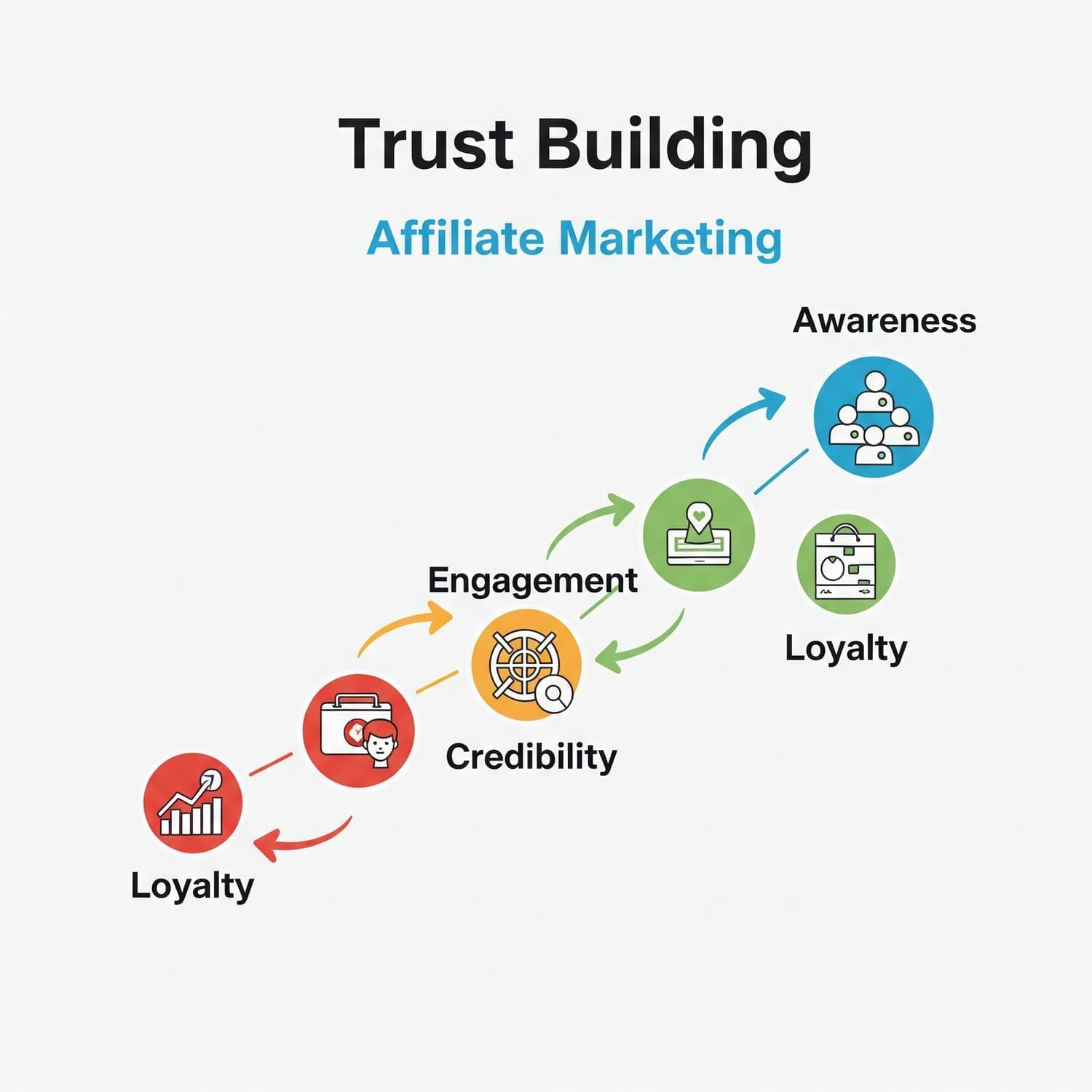
Picking a niche isn’t just about going for what’s popular or what pays the most. It’s about choosing a space where you can provide real value because you understand the problems, language, and desires of the people in that niche. In 2025, competition is fierce, so you need more than a vague interest in a topic. You need to know it inside and out.
Imagine trying to sell fitness supplements to an audience that isn’t interested in fitness. Even the best product won’t convert. On the other hand, if you’re passionate about health and wellness and have a blog or channel where people look to you for advice, your recommendations carry weight.
Beyond passion, think about your existing skills and experience. Have you ever worked in the industry? Do you have personal success stories or case studies? These make your content more credible and relatable.
When it comes to products, don’t chase the highest commission rates blindly. A product that doesn’t fit your audience will hurt your credibility and result in fewer sales. Instead, choose products you believe in or have tested yourself.
You don’t have to be an expert on every product feature. Your job is to relate how the product solves a specific problem your audience has. That could be saving time, reducing costs, or making life easier.
One practical way to test products is to try them yourself or collect genuine feedback from trusted sources. Then, use that information to create content that addresses your audience’s questions and doubts.
Remember, a smaller but engaged audience in the right niche will perform better than a large but indifferent one.
You might wonder how to find niches that work well in 2025. Look for areas where people are actively spending money and searching for solutions. Use keyword research tools to discover what questions people ask. That data will guide your content and product choices.
Choosing the right niche and products is your foundation. Without it, even the best marketing won’t turn into consistent income.
Content Creation Strategies That Work in Today’s Market
Creating content is the heart of affiliate marketing. If you want to earn, you need to communicate clearly and consistently. Content is your way to build trust, provide value, and guide your audience toward a purchase without sounding pushy. But in 2025, creating content means more than just writing blog posts or sharing random social media updates. It demands strategy and a clear understanding of what your audience wants to see.
Start by asking yourself: what questions does your audience ask? What problems are they trying to solve? When you answer these questions through your content, you become a go-to resource, not just another noise in the crowd.
Long-form content still holds value because it allows you to dive deep into a topic, build trust, and rank well on search engines. But short-form content, like quick videos or social posts, can grab attention and lead people to your longer content or offers.
The key is consistency. Publishing content regularly signals to your audience and search engines that you’re active and reliable. You don’t have to post every day, but a steady rhythm matters.
Another crucial point is your tone. Your content should feel like a conversation with a friend, not a sales pitch. Use real examples, share your personal experiences with the product, and don’t be afraid to mention what didn’t work. Honesty wins every time.
Don’t forget about multimedia. Videos, images, and infographics break up the text and make your content easier to consume. A simple screenshot or a quick demo video of the product you’re promoting can clarify features better than paragraphs of explanation.
SEO matters too. Research keywords your audience uses, then naturally include them in your titles, headers, and body. Avoid keyword stuffing, but don’t ignore search intent. If people search “best running shoes for flat feet,” your content should directly address that.
One effective tactic is to build content around common objections your audience has. If they worry about price, durability, or ease of use, create content that answers those concerns honestly.
The ultimate goal is to guide readers through their decision-making process step by step. You want them to feel informed, confident, and ready to buy because they trust your advice.
Think about the last time you bought something online.
Did a blog post, video, or review help you decide? That’s the experience you’re aiming to provide.
The Role of Email Marketing in Your Affiliate Success
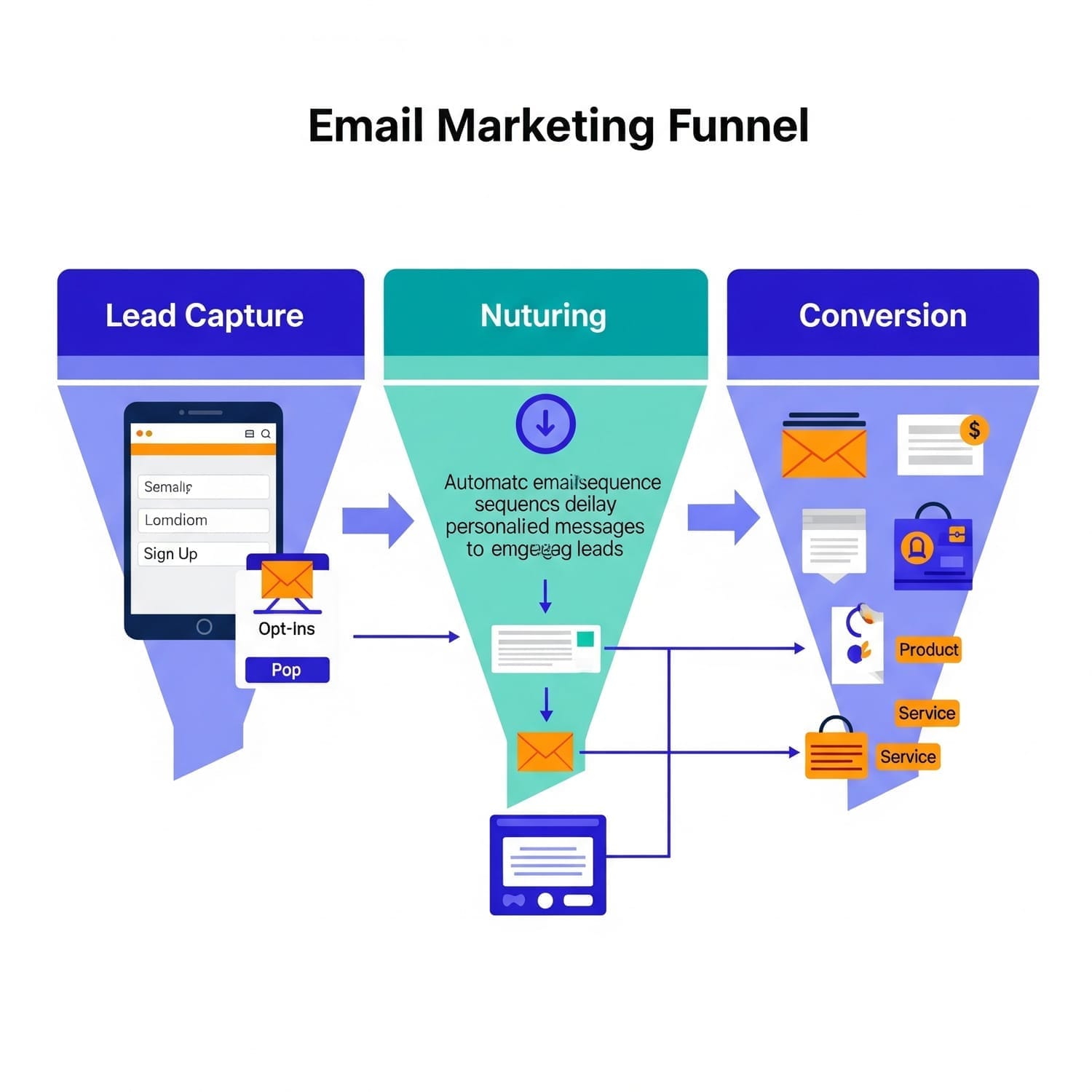
Email marketing remains one of the most powerful tools you have to connect with your audience and generate sales. Despite all the new platforms, email delivers results because it lets you speak directly to people who have already shown interest in what you offer.
The key word here is “interest.” Your email list is full of people who opted in because they want to hear from you. This makes it a warmer audience than social media followers or cold website visitors.
Building your list should be a priority. Offer something valuable in exchange for their email — it might be a helpful guide, checklist, or exclusive tips. This initial exchange builds goodwill and starts the trust-building process.
Once you have people on your list, your goal is to nurture the relationship. Send regular emails that focus on value, not just sales. Share useful content, answer common questions, and occasionally talk about products you genuinely believe in.
You don’t need to send emails every day, but regularity helps you stay top of mind. People buy from those they remember.
One of the most effective strategies is to combine content with storytelling. Share a personal experience related to the product or niche. Stories create emotional connections, which are essential for motivating action.
Don’t make every email a sales pitch. Instead, guide your subscribers through the buying journey by mixing educational emails with product recommendations.
Segmentation can also boost your results. When you group subscribers by interests or behavior, you can send more relevant offers. For example, if some subscribers clicked links about a specific product, target them with follow-up emails focused on that product.
Tracking your email performance is critical. Watch open rates, click-through rates, and conversion rates. These metrics tell you what resonates and what doesn’t.
Remember, the goal is a steady relationship that leads to sales naturally.
If you focus on delivering value and building trust through your emails, your commissions will follow.
Leveraging Social Media Without Being Pushy
Social media can feel overwhelming for affiliate marketers because it’s easy to slip into a pushy sales tone that turns people off. But used thoughtfully, social platforms can build your brand and funnel interested people to your offers.
The first step is to think about where your audience spends time. Instagram, TikTok, LinkedIn, or Facebook all attract different demographics. Choose one or two platforms that fit your niche and focus there.
Your posts should be about adding value, not just promoting products. Share tips, behind-the-scenes looks, or even personal stories that relate to your niche. The goal is to start conversations, not close sales immediately.
Use social media to listen as much as to talk. Pay attention to what your audience says, what questions they ask, and what content they engage with most. This will guide your future posts and product choices.
Short videos or reels work great because they capture attention quickly and can direct viewers to your blog or email list. The goal is to create curiosity, not to sell outright.
Remember to use social proof when possible. Show testimonials, share results (your own or from others), or highlight comments that praise the product. This makes your promotions feel more trustworthy.
Avoid flooding your followers with links. Instead, focus on building a community or tribe that trusts your voice. When people trust you, they will naturally check out your recommendations.
Also, don’t ignore the power of direct engagement. Reply to comments, answer questions, and participate in discussions. This builds rapport and shows you care about your audience.
Social media is a tool, not a sales channel. Use it to create relationships, then guide those relationships to platforms where you have more control, like your email list or blog.
How to Track Your Progress and Improve Over Time
Affiliate marketing is a process, not a one-time effort. To succeed, you need to track what works and what doesn’t. Without data, you’re guessing in the dark.
Start with basic metrics like clicks, conversions, and revenue. Most affiliate programs provide dashboards where you can see this information. Look for patterns: which products sell best? Which content drives the most traffic?
Your website and email marketing tools offer additional insights. Monitor page views, bounce rates, email open rates, and click-through rates. These numbers tell you how engaged your audience is.
Set clear goals for each stage.
For example, aim to grow your email list by 100 subscribers per month or increase your blog traffic by 20%. Tracking progress against goals keeps you accountable.
When something doesn’t work, analyze why. Was the content unclear? Was the offer mismatched to your audience? Use those lessons to adjust your strategy.
Experiment with different types of content, headlines, and offers. Testing helps you find what resonates best.
Don’t be afraid to pause or drop products that don’t perform. Focus your time on the winners.
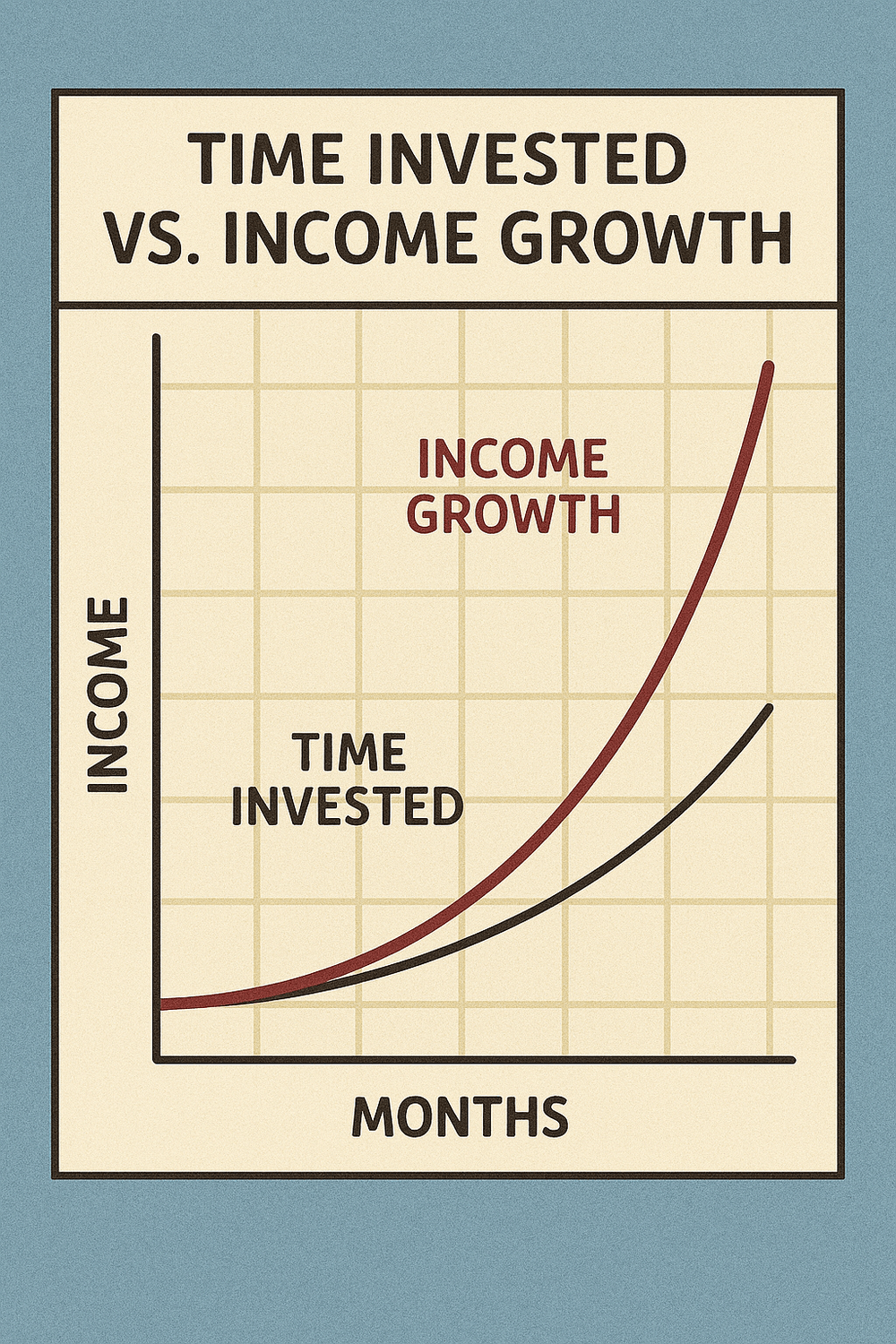
Progress might feel slow at first. That’s normal. Affiliate marketing success builds over months, not days. The key is persistence and willingness to learn.
You’re building a business, and every data point is feedback. Use it to get better every day.
Balancing Effort and Income: Realistic Expectations for 2025
Affiliate marketing isn’t a quick path to wealth. If someone tells you otherwise, be skeptical. Real income requires real effort, but the good news is you can start small and grow steadily.
Your first sales might come after weeks or months of consistent work.
That’s normal. Instead of chasing quick wins, focus on building a system that works for you.
Think about your available time. Can you commit 30 minutes a day to content creation, email marketing, or social media engagement? Small, regular steps add up.
The best marketers scale by creating systems. For example, you might automate your email sequences or schedule social posts ahead of time. That frees you to focus on content quality and audience interaction.
Don’t compare yourself to others who might have more time or experience. Your progress is unique to your situation.
Tracking income alongside effort shows you what to keep doing and what to drop. Maybe one product sells well but takes too much time to promote. Or perhaps a certain content type brings in steady clicks.
Set realistic goals. Maybe your first goal is $100 a month, then $500, and so on.
Celebrate those milestones. They motivate you to keep going.
Affiliate marketing fits many lifestyles because it’s flexible. You choose how and when to work. But that freedom means you also need discipline to keep moving forward.
Remember, affiliate marketing is a long game. The more you learn and apply, the better your results
Building Your Affiliate Marketing Skills While Earning
Affiliate marketing is both a business and a learning journey. The skills you develop — writing, communication, marketing, SEO... are valuable beyond commissions.
Many successful marketers recommend starting affiliate marketing to build real marketing skills while earning. Writing product reviews teaches you persuasion. Managing email sequences builds customer engagement. Understanding analytics helps you make data-driven decisions.
Think about your side hustle as training. You gain hands-on experience, which pays off whether you stick with affiliate marketing or move to other online ventures.
The benefit of earning while learning is that you don’t have to invest heavily upfront in courses or ads. You test and improve as you go.
Be curious. Read about marketing trends, watch tutorials, and try new tools.
For example, AI writing assistants can speed up content creation. SEO tools help you find keywords that attract the right visitors.
Take notes on what works and what doesn’t. Over time, you’ll develop your own style and process.
Your audience will notice your growth. When you get better at explaining, connecting, and promoting, your trust and sales increase naturally.
This skill-building approach turns affiliate marketing into more than income, it becomes a professional advantage.

Taking Action: Your First Steps Toward Affiliate Marketing Success
The hardest part is often starting. You might feel overwhelmed by all the advice, options, and tools. But the best way forward is to pick one thing and do it consistently.
Start by choosing a niche you understand and care about. Then, create a simple plan: build a basic website or blog, set up an email list, and write your first piece of content.
Sign up for one or two affiliate programs related to your niche. Focus on learning their terms and how to promote their products ethically.
Next, commit to a content schedule you can realistically keep. Maybe one blog post a week or two social posts a day. Consistency beats perfection.
Don’t wait to be perfect. Publish your work, then improve as you go. Use feedback and data to guide your efforts.
Join communities of affiliate marketers. Learning from others shortens your learning curve and keeps you motivated.
Remember, every expert started as a beginner.
Your progress comes from action, not just ideas.
Take your first step today. It doesn’t have to be big, but it has to be forward.
Conclusion: Your Next Steps
The only format that I personally follow is the following:
1. Make a decision what you want to do. Free, Paid or a bit of both?
2. Make sure you are always investing back into your affiliate marketing journey so that your business pays for itself and can run smoothly. I do this with the Affiliate Marketing Essential Strategy that builds an advertising fund for myself which I use to build my email list.
3. Take that time or money and keep adding daily a bit of effort to build an email list no matter what you are doing. Email marketing will make the difference you are looking for in the long term!
4. Leveraging AI (learning how to prompt) will take you a long way.. from 2025 onwards there are literally no excuses!



Let's get social


Created with © systeme.io